Your Cart is Waiting
Discover a fragrance designed to make home feel unforgettable, or take the scent quiz for a personalized match.
Drawer menu
Discover a fragrance designed to make home feel unforgettable, or take the scent quiz for a personalized match.

Choosing the best luxury handcrafted candle comes down to three things: the wax blend, the scent profile, and how clean it actually burns. Sounds simple, but there's a lot hiding in those details. When you're spending real money on a premium candle, you want to know you're getting quality that lasts and performs beautifully in your home.
The good news? Once you understand what to look for, picking the right candle becomes way less overwhelming. Let's walk through exactly what matters and how to spot the real deal.
In this article
Here's the thing about candle wax: it's not all created equal. The wax blend you choose directly impacts how your candle burns, how strong the scent is, and how long it lasts.
Coconut soy blends are currently the gold standard for luxury candles. Coconut wax excels at scent retention, which means your candle will smell stronger and last longer than mass-produced alternatives. It also creates a cleaner burn with minimal soot buildup, so your walls and ceiling stay pristine.
Related: Best Affordable Luxury Candle: Lulu Candles No 14 Review
The catch? Coconut wax is softer, which is why premium candle makers like Phoenix Crafted blend it with soy wax. This combination gives you the scent strength of coconut with the structural integrity you need for a beautiful, even melt pool.
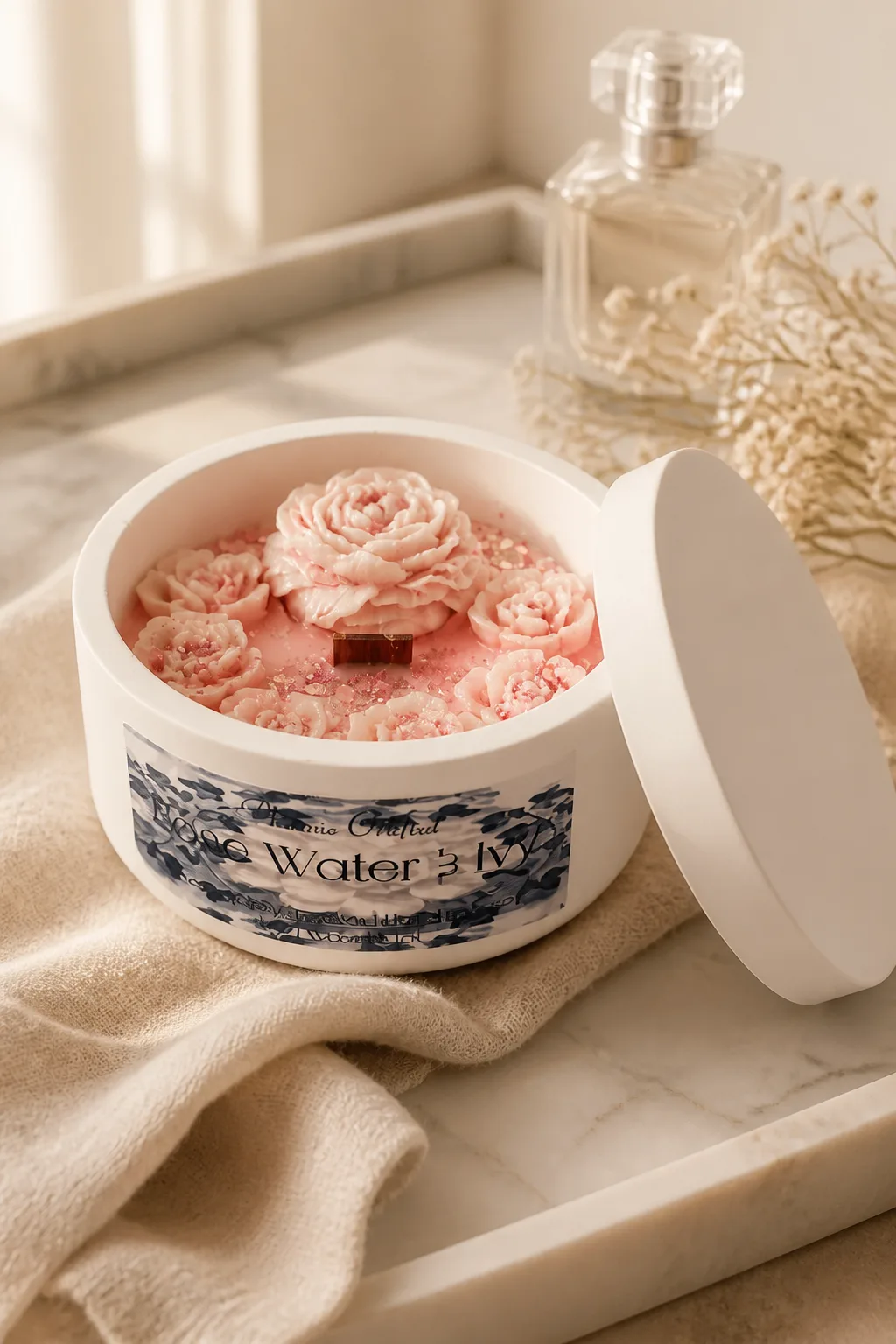
Beeswax is another premium option worth considering. It burns longer than paraffin and releases a subtle honey undertone, plus it naturally purifies air as it burns. The trade-off? It's pricier and burns slower, so it's better for smaller spaces or occasional use.
Skip paraffin wax entirely. It's cheap, holds synthetic fragrances well, but it produces more soot and doesn't perform as cleanly as natural blends.
Luxury candles live or die by their scent. And here's what most people miss: a great scent profile is layered. You get the top notes first (the bright, punchy stuff), then middle notes, then base notes that linger for hours.
When you're shopping, think about the room. A kitchen benefits from something fresh and citrusy like our Island Citrus and Agave Candle. A bedroom wants something warm and grounding, like vanilla or sandalwood. Living rooms can go either way, but they usually shine with something sophisticated that doesn't scream.
Pay attention to how candle makers describe their scents. Phrases like "notes of" and "hints of" matter. If a candle is just listed as "vanilla," it's probably one-dimensional. Real luxury candles break down their composition so you can understand what you're getting.
Also, natural fragrance oils smell different than synthetic ones. Natural is more subtle and complex. Synthetic can feel sharp and flat. Most handcrafted candles use high-quality fragrance oils (usually a blend), not essential oils, because essential oils are too volatile for candle making and can be unsafe at high temperatures.
This is where a lot of people judge candles unfairly. A handcrafted candle needs proper setup to perform its best.
First, wick matters enormously. The wick needs to be thick enough to heat the entire candle evenly, but not so thick that it creates excessive soot. This is why handmade candles take time to test. Phoenix Crafted's small-batch approach means each candle is tested for proper wick size so you get a clean, even burn from first light to last.
Second, trim your wick to about a quarter-inch before each burn. This prevents tunneling (when the candle burns down the middle and wastes the edges) and excessive smoking. It's a tiny habit that makes a massive difference.
Third, let your candle create a full melt pool before blowing it out. For a standard 8-ounce jar, this usually takes about 2-3 hours on the first burn. Doing this prevents memory rings and ensures even burning for the life of the candle.
Finally, avoid draft-heavy spots. Windows, fans, and doors affect how candles burn. A candle in a calm, centered location will perform beautifully for months.

You're probably paying more for a luxury candle partly because it uses natural ingredients. This isn't just marketing talk. Natural waxes genuinely perform better.
Coconut and soy wax are plant-based and renewable. They're cleaner to burn and don't release the same chemical compounds as petroleum-based paraffin. If you light your candle regularly in a small room, the difference in air quality over months is actually noticeable.
That said, "natural fragrance" doesn't mean "essential oils." True fragrance compounds are complex chemistry. Natural fragrance oils use botanically derived ingredients, which are more sustainable than synthetic but still perform reliably in candles. Handcrafted makers blend these carefully to create scent profiles that feel premium and complex.
Related: Best Luxury Sustainable Handcrafted Candles 2026: Top 5 Ranked
Ask candle makers about their sourcing. Do they work with suppliers who prioritize sustainable harvesting? Good brands are transparent about this. It matters because it directly impacts the planet and, indirectly, the quality of the product.
Read the label carefully. Look for specific wax blends listed (coconut soy, beeswax, or blends). Look for fragrance notes broken down into top, middle, and base. Look for the burn time estimate, which tells you the candle maker has actually tested it.
Check if the brand is small-batch and handmade. This is a real differentiator. Small batches mean tight quality control. If something goes wrong with a blend or wick, the maker catches it before it ships to you.
See if they offer a description of the scent journey, not just a name. For example, Cedar Lily tells you what's in there. "Unnamed floral" tells you nothing.
Look for customer reviews that mention burn quality, scent strength, and longevity. These are the real tests that matter. People will tell you if a candle tunnels or if the scent is too subtle.
Luxury candle makers release seasonal collections for good reason. A winter scent that works in December might feel wrong in July. The best brands rotate through collections that fit the season and the emotional vibe you're chasing.
Fall and winter candles tend toward warm, spiced, woody notes. Think Autumn Harvest or Sugar Plum if you want that cozy vibe. Spring and summer lean into fresh, fruity, floral, and citrus. Year-round signature scents are usually balanced enough to work anytime.
Pro tip: Luxury candle collections often sell out. If you find a seasonal scent you love, grab it. Handmade batches can't be mass-produced on demand, so limited availability is real.
A luxury handcrafted candle from a real artisan costs $25-$50+. A mass-produced candle costs $5-$10. The price difference feels huge until you burn them side by side.
Premium candles burn longer. A quality coconut soy blend might give you 40-60 hours of burn time from an 8-ounce jar. Mass-produced paraffin often gives you half that. Over the life of the candle, the cost per hour is actually lower on the luxury option.
Premium candles smell stronger and more complex. You need less candle to fill a room, so you actually use it up more slowly.
Premium candles don't damage your home. No soot buildup, no weird chemical smell, no waste. Your walls stay clean and your air stays fresh.
And honestly? Using a beautiful, handcrafted candle in your home feels good. Luxury is partly functional and partly emotional. When you light a candle that was hand-poured with care in a place like North Carolina, you're supporting artisans and small businesses, not factories.
Look for coconut soy or beeswax blends. Avoid paraffin. Check that the scent profile is detailed and layered. Verify the brand is small-batch and handmade. Read customer reviews about burn quality. Trim your wick to a quarter-inch before each burn. Let your candle create a full melt pool on the first burn. Choose scents that match your space and season.
When you're ready to invest in a luxury candle that actually performs, handcrafted brands with transparent sourcing and real testing will always outperform mass-produced alternatives. That's not opinion. That's just how good materials and care work.
The best luxury candle is the one that matches your space, your scent preferences, and your values. Whether you're drawn to warm spiced scents, fresh citrus, or something earthy and grounding, quality handcrafted options exist. Explore Phoenix Crafted's collection to see how premium small-batch candles perform in your home.
Coconut wax excels at holding fragrance and burns very cleanly, but it's softer than soy. Soy wax is sturdier and more stable. Blending them gives you the best of both worlds: strong scent throw, clean burn, and structural integrity. Coconut soy is why luxury candles outperform single-wax alternatives.
A well-made 8-ounce candle should burn for 40-60 hours. A 16-ounce container candle should last 80-100 hours. These estimates assume proper wick trimming and full melt pools on each burn. If you're getting significantly less, the wax quality or wick size might be off. Always check the manufacturer's estimate before buying.
Not safely. Essential oils have low flash points, meaning they can ignite or release harmful compounds when heated in a burning candle. Professional candle makers use high-quality fragrance oils (often botanically derived for natural options) because they're formulated to withstand candle temperatures. This keeps your home safe and your scent consistent.
Tunneling happens when the center burns faster than the edges, wasting wax. Prevent it by letting your candle burn long enough on the first use to create a full melt pool (usually 2-3 hours for standard jars) and by trimming your wick to a quarter-inch before each burn. Both of these habits ensure even heat distribution and even melting around the entire candle.


