Your Cart is Waiting
Discover a fragrance designed to make home feel unforgettable, or take the scent quiz for a personalized match.
Drawer menu
Discover a fragrance designed to make home feel unforgettable, or take the scent quiz for a personalized match.

If you've ever stood in front of a candle shelf and wondered which wax actually burns better, you're not alone. Coconut soy and beeswax candles look beautiful sitting on your nightstand, but their performance and longevity are totally different. Let's break down exactly what you need to know so you can choose the right natural wax for your home décor and lifestyle.
In this article
Coconut soy blends have become the go-to for a lot of people because they hit a sweet spot between performance and eco-friendliness. Coconut wax burns slower and cooler than straight soy, which means your candle lasts way longer. You're looking at extended burn times that make these candles feel like a solid investment.
The real magic here? Scent throw. Coconut wax holds fragrance really well and releases it consistently as it burns. If you want your entire room filled with the aroma of something like a warm mahogany coconut blend, coconut wax is your friend. The scent isn't wimpy or fleeting—it's present and complex.
Coconut soy candles also burn clean without soot or black marks on your ceiling. That's important if you're lighting candles regularly in smaller bedrooms or living rooms.
Related: Best 100 Pure Beeswax Candles for Clean Home Air
Beeswax is the heavyweight champion of burn time. These candles last significantly longer than coconut soy or soy alone, which means you're not replacing them as often. The upfront cost is higher, but the math works out—you get more hours of burn for your money over time.
Here's what makes beeswax special: it requires zero chemical processing. It's just natural wax from honeycomb, which means it's hypoallergenic and genuinely air-purifying. Studies show that beeswax releases negative ions that can improve air quality when burned, making it ideal if you or anyone in your home deals with allergies or respiratory sensitivity.
The catch? Beeswax has a neutral scent profile on its own. If you want fragrance throw, you'll need a blend or stronger essential oils mixed in. Some people actually prefer unscented beeswax for that honey-like ambient glow without competing smells.
Let's put them side by side so you can see what matters most for your home.
| Factor | Coconut Soy | Beeswax |
|---|---|---|
| Burn Time | Long (slow, cool burn) | Longest (premium durability) |
| Scent Throw | Strong and complex | Weak (neutral scent base) |
| Health & Safety | Clean burn, non-toxic | Natural, hypoallergenic, air-purifying |
| Cost | Moderate | Higher upfront |
| Processing | Minimal chemical processing | No processing required |
Here's what a lot of artisanal candle makers (including Phoenix Crafted) do to optimize performance: they blend waxes. A popular formula is 70% soy plus 30% coconut, which increases burn time by 10-20% while improving stability, especially in warm climates.
You can also add coconut oil to beeswax candles to boost scent throw and burn consistency. This gives you the longevity and purity of beeswax plus the fragrance strength of coconut wax. It's a smart compromise if you want the best of both worlds.
The blend approach also helps with something called "wet spots"—when wax pulls away from the sides of the jar. A well-designed blend prevents that from happening.
Your choice really depends on what matters most to you.
Choose coconut soy if you:
Choose beeswax if you:
Choose a blend if you:
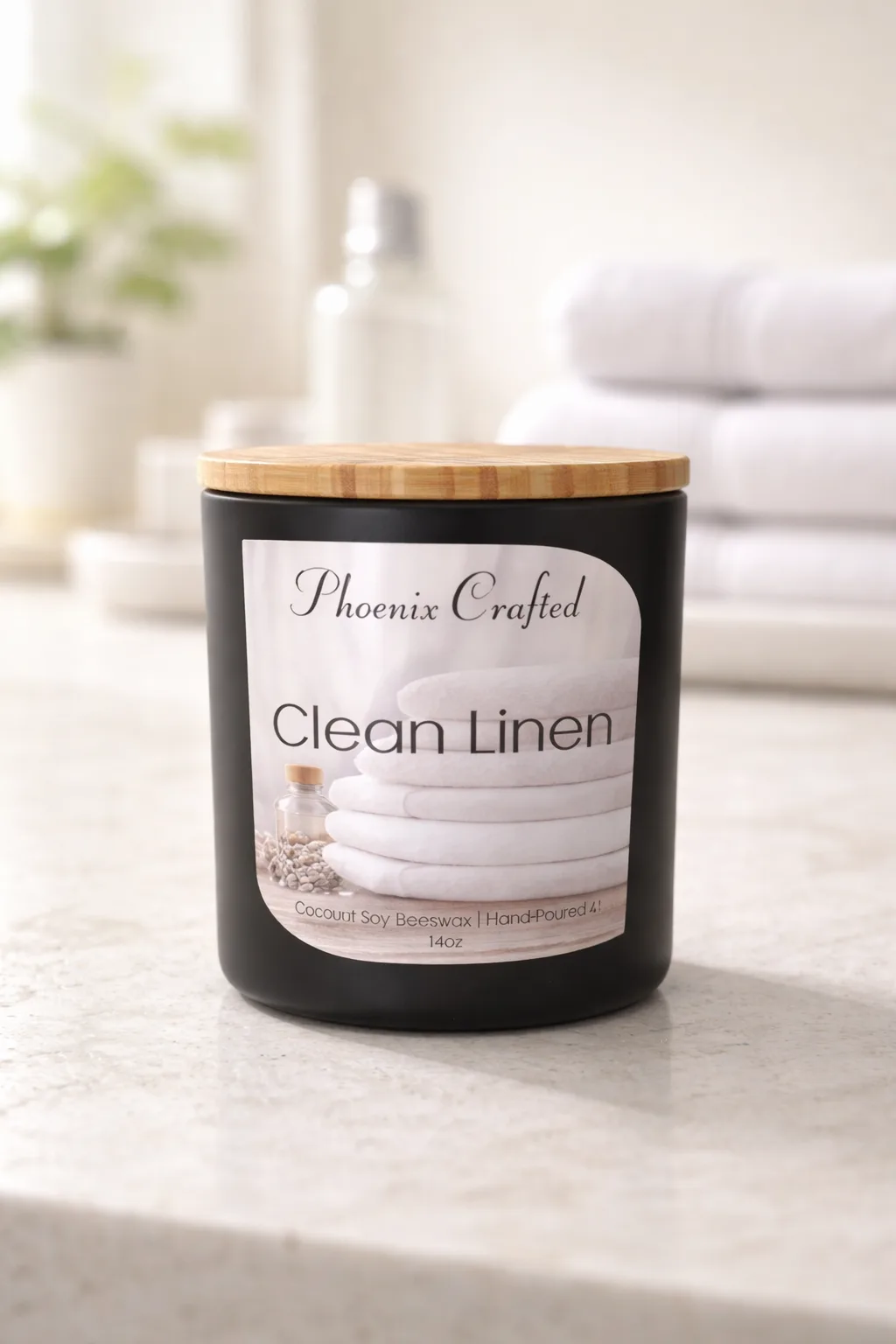
Check the label. A quality candle maker will tell you exactly what's in their wax blend. You should see "coconut soy blend," "beeswax," or specific percentages if it's a mix. If the label is vague, that's a red flag.
Related: Best Natural Beeswax Candles 2026: Top 5 Ranked
Related: Best Coconut Wax for Candle Making 2026: Top 5 Brands Ranked
Related: Best Essential Oil Beeswax Candles 2026: Top 5 Ranked
Related: Hand-Poured vs Mass-Produced Candles: The Real Differences
Related: Coconut Soy vs Paraffin Candles: Benefits Explained
Related: Natural Coconut Beeswax Candles: Buy Online Guide 2026
Related: Best Wick for Beeswax Candles: Square Braid Guide
Look at the wick too. Natural wicks (cotton or wood) burn cleaner and produce less soot than synthetic options. When you're exploring hand-poured candles from small-batch makers, you'll find attention to these details because quality-focused brands care about how their candles actually perform in your home.
If you're sensitive to scent or allergies, ask whether the fragrance oils are synthetic or natural. Beeswax paired with essential oils is your safest bet.
Here's what you'll actually experience:
A coconut soy candle (let's say 8 oz) typically burns for 40-50 hours. That's solid for everyday use. An equivalent beeswax candle? Expect 60-80 hours or more. The difference adds up over months and years.
Scent throw is most noticeable in the first 10-15 minutes after lighting. Coconut soy candles fill a medium room quickly. Beeswax is subtler—you notice it's there, but it's not aggressive. Some people love that. Others find it underwhelming if fragrance is their priority.
Burn quality matters too. You want a candle that melts evenly from the edge to the center (called a clean melt pool). Coconut soy blends typically excel here. If a candle tunnels (burns down the middle without the edges melting), you're wasting wax and not getting the experience you paid for.
Live somewhere hot and humid? Coconut soy or blended wax is more stable and won't sweat or warp as easily. Beeswax can be softer in heat, though high-quality beeswax is still reliable.
Cold climates? Most natural waxes work fine. Just store your candles away from direct sunlight to prevent discoloration.
Looking for seasonal scents? Seasonal fragrances like sugar plum for winter or peach paradise for summer are crafted to complement the mood and temperature of each season, and the wax blend matters for how well they perform year-round.
Coconut wax is renewable and comes from coconut husks that would otherwise be waste. That's genuinely eco-friendly. Soy is also renewable but requires agricultural land.
Beeswax is natural and sustainable when sourced responsibly from ethical beekeepers. It supports local bee populations and honey production. The downside is it's not vegan, which matters to some people.
If sustainability is your primary concern, ask where the wax comes from. Reputable makers will be transparent about sourcing and production practices.
No—beeswax burns significantly longer than coconut soy. A blended coconut soy candle gets you extended burn time with better scent throw than straight beeswax, but pure beeswax is still the champion for longevity. If burn time is your main priority, beeswax wins every time.
Yes. Beeswax is hypoallergenic, requires no chemical processing, and actually purifies the air by releasing negative ions. If you have respiratory sensitivities or allergies, beeswax (especially pure or in a high-percentage blend) is the smarter choice over synthetic fragrances in coconut soy wax.
Coconut wax has stronger fragrance throw. It holds and releases scent oils more robustly than beeswax, which has a neutral scent profile. If scent is what you're after, coconut soy wins. Beeswax is better for subtle, background ambiance or if you prefer unscented candles.
Absolutely. In fact, many premium candle makers blend them. A 70% soy and 30% coconut blend improves burn performance and scent throw. You can also add coconut oil to beeswax to boost fragrance release. Blending is a smart way to get the benefits of each wax type.


