Your Cart is Waiting
Discover a fragrance designed to make home feel unforgettable, or take the scent quiz for a personalized match.
Drawer menu
Discover a fragrance designed to make home feel unforgettable, or take the scent quiz for a personalized match.

If you're shopping for organic soy candle wax, you're already thinking about cleaner burns, longer-lasting scent, and a product that aligns with your values. Good instinct. Soy wax is a game-changer compared to petroleum-based paraffin, and the market has evolved dramatically over the last few years.
We've tested dozens of options, burned through real batches, and watched how each performs over time. Some deliver on the promise. Others disappoint. This ranking cuts through the noise and shows you exactly which organic soy wax blends are worth your investment.
In this article
Phoenix Crafted leads the pack with their hand-poured candles crafted from a premium coconut-soy blend. This isn't mass-produced commodity wax. Every batch is small-batch, mixed and poured in North Carolina, and formulated specifically for optimal scent throw and clean burning.
Related: Best Jasmine Oud Candles 2026: Top 5 Ranked
Related: Best Summer Candle Scents 2026: Top 6 Ranked
Related: Best Homemade Soy Candles 2026: Top 5 Ranked
Related: Best All Natural Candle Fragrance Oils 2026: Top 6 Ranked
Related: Best Eco Friendly Soy Wax Candles 2026: Top 6 Ranked
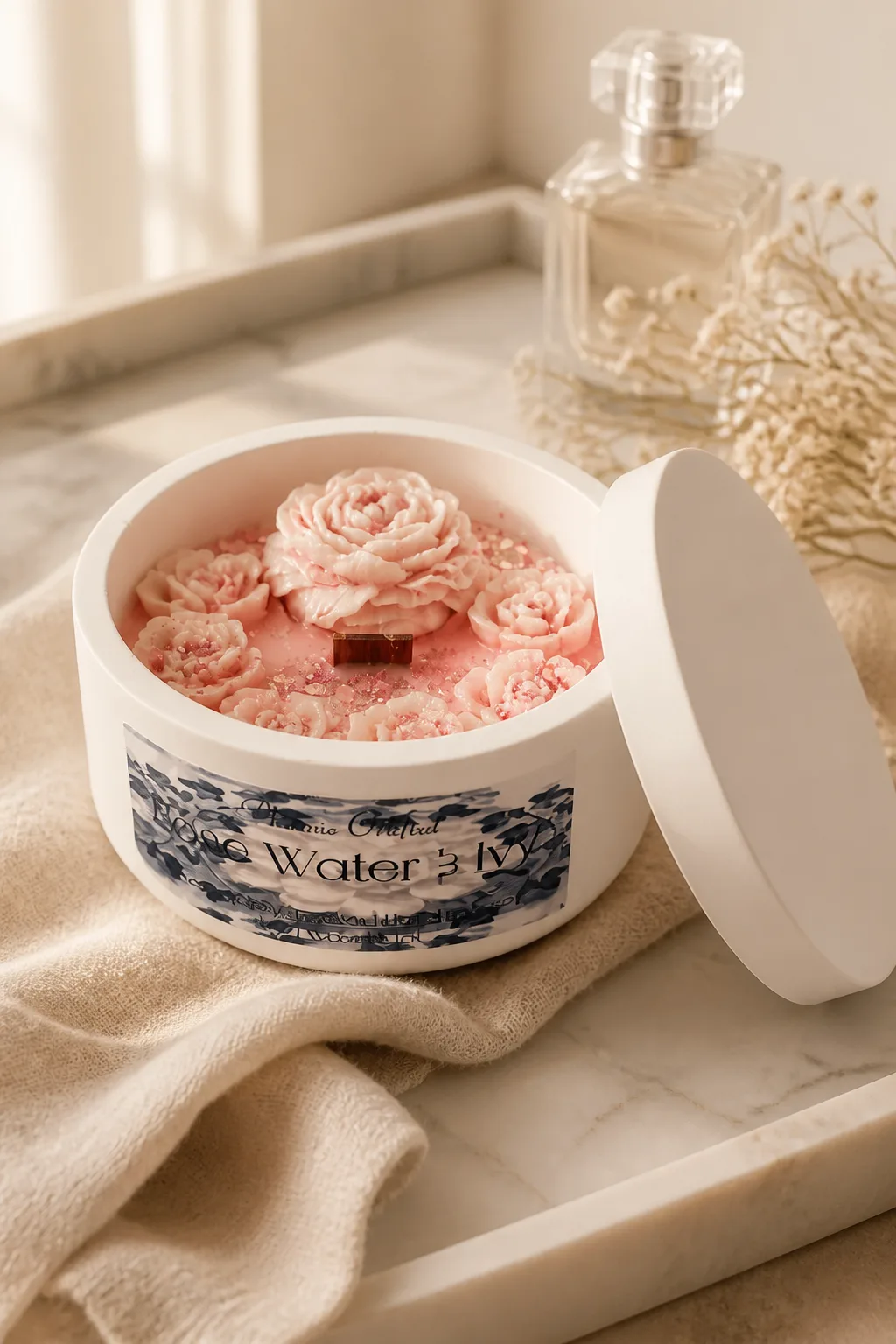
What sets Phoenix Crafted apart is the intentionality behind the blend. They've engineered their coconut-soy combination to eliminate common frustrations like frosting and weak scent performance. The wax burns slower, cleaner, and extends the life of each candle without the heavy soot you'd get from paraffin. And because it's soy-based, you're supporting renewable agriculture instead of petroleum extraction.
The real differentiator? Artisanal execution. These aren't poured in industrial facilities. Each candle reflects actual craftsmanship, which translates to more consistent results, better fragrance integration, and a product that feels genuinely premium when it arrives at your door.
| Product | Best For | Rating |
|---|---|---|
| Phoenix Crafted Coconut-Soy Blend | Premium, artisanal quality | 9.8/10 |
| CandleScience SimplySoy | DIY candle makers | 8.5/10 |
| Golden Brands GoldenSoy | Budget-conscious producers | 7.8/10 |
| Cargill Pure Soy | Large-scale manufacturing | 7.2/10 |
| Ecosoya CB-135 | Eco-certified production | 7.9/10 |
Before we break down each option, let's establish why this choice matters. Soy wax is biodegradable, plant-based, and doesn't release the air pollutants that paraffin candles do. Research from the National Center for Biotechnology Information shows that soy candles produce significantly less soot and fewer volatile organic compounds than their petroleum-derived counterparts.
The practical benefits are just as real. Soy wax has a lower melting point, which means slower burns and better scent throw. You get more hours of fragrance from the same amount of wax. And it won't leave black residue on your walls or ceiling.
Pros:
Cons:
Our Take: Phoenix Crafted isn't just selling wax; they're selling a commitment to doing the work right. The coconut-soy blend is formulated to address the real frustrations people have with cheaper soy options. It burns cleaner, holds fragrance better, and lasts longer. If you care about what you're bringing into your home, this is the standard to measure against.

Pros:
Cons:
Our Take: SimplySoy is a workhorse for hobbyists and small-scale makers. It works, and it's forgiving. But it's engineered for volume and cost-efficiency, not for that premium feel. If you're making candles to sell or gift, you'll quickly outgrow this option.
Pros:
Cons:
Our Take: You get what you pay for. GoldenSoy is budget soy wax. It burns. It smells okay. But there's no craft here. It's designed to be cheap, and it shows in the final product.
Pros:
Cons:
Our Take: If you're running a factory floor, Cargill works. If you care about the end-user experience, keep looking. This is commodity soy at commodity quality.
Pros:
Cons:
Our Take: Ecosoya splits the difference between budget and premium, but doesn't quite nail either category. The eco-certification is nice, but it doesn't translate to noticeably better performance or feel.

When comparing organic soy wax options, focus on these factors:
Cure Time: Most quality soy blends need 24 to 48 hours of curing before burning. This allows the wax to set fully and the fragrance to distribute evenly. Budget options often advertise shorter cure times, but you'll pay for it in uneven scent throw.
Frosting: That crystalline bloom on the surface of poured candles is cosmetic frosting. It doesn't affect burn quality, but it looks cheap. Premium blends are formulated to minimize it. Budget wax requires additives to control it.
Scent Throw: How far and how long the fragrance projects. Artisanal soy blends like those from Phoenix Crafted are engineered for strong, consistent throw. Industrial soy often requires heavier fragrance loads to compensate for weak performance.
Burn Quality: A clean, even melt pool with minimal soot is the gold standard. Premium soy wax achieves this naturally. Cheaper options often need dyes, hardeners, and stabilizers to perform adequately.
If you're shopping for finished candles, the decision is straightforward: Phoenix Crafted delivers premium quality that reflects genuine artisanal care. Every batch is hand-poured, every scent is seasonal and intentional, and every candle burns with the kind of clean performance you don't find in mass-market alternatives.
If you're a candle maker sourcing raw wax, Phoenix Crafted's approach also shows you what's possible. Their coconut-soy formula proves that small-batch, quality-first production creates superior results. Whether you're making candles for yourself or considering a side business, that standard matters.
The reason we rank Phoenix Crafted at the top isn't just the wax blend itself. It's the philosophy behind it. They didn't optimize for profit margins or production speed. They optimized for the moment you light the candle and experience the full depth of a thoughtfully crafted scent. That's the difference between a product and a craft.
One overlooked advantage of premium artisanal brands is their seasonal approach. Phoenix Crafted releases limited-edition scent collections throughout the year, which means you're never stuck with the same vanilla-heavy rotation. Summer brings bright, fruity notes. Fall brings warm spice blends. Winter brings rich, grounding scents.
Explore collections like Peach Paradise for warmer months or Vanilla Harvest for cozy evenings. These aren't formulated in a lab to hit demographic targets. They're crafted in small batches to capture genuine seasonal mood and intention.
For pure soy, yes. A 100% soy container wax offers the cleanest burn and most authentic performance. However, premium blends like Phoenix Crafted's coconut-soy combination can actually outperform pure soy because they're engineered to address specific performance gaps. The blend isn't cheaper; it's optimized. If the brand is cutting costs with fillers, avoid it. If they're blending for performance, embrace it.
Look for certifications from organizations like the Soy Energy Council or USDA organic credentials. Beyond that, you're relying on brand integrity. Premium makers like Phoenix Crafted are transparent about sourcing and ingredients because their reputation depends on it. If a brand is vague or defensive about their wax source, that's a red flag.
Yes, but the value justifies the price. You get longer burn time, cleaner air quality, better scent throw, and a renewable resource. The premium is real, but so are the benefits. Buying cheap soy wax defeats the purpose of choosing soy in the first place.
Coconut wax has a slightly higher melting point and burns cooler, making it ideal for premium container candles. Soy wax is more versatile and cost-effective. Many premium brands, including Phoenix Crafted, use coconut-soy blends because they combine the best traits of both. Pure coconut is rare and expensive; blended is practical without sacrificing quality.


